Set up in an hour, not a weekend
Walk the mower round your edges with the app, drop the charging station by a socket, and you are more or less done. Redrawing a flower bed no longer means re-laying cable.
Wire-free robot mowers, compared calmly
Most robot mower advice assumes a big, flat, rectangular lawn in full sun. Real gardens are small, sloping, shady and full of corners. We compare the wire-free mowers built for gardens like yours — satellite, LiDAR and camera models side by side, from the manufacturers' own figures.
Honest from the off: we compare specifications and published data, not hands-on tests. Here's exactly how we do it.

Not sure where to start?
Six questions about your plot — its size, its slopes, its shady corners — and the Mower Finder matches you to the wire-free model whose specifications fit it best, with the reasoning shown and any shortcoming named. A minute, no email address, nothing leaves your browser.
Try the Mower Finder →The boundary wire was always the worst part of owning a robot mower: an afternoon on your knees pegging out cable, and a repair job every time a spade found it. Wire-free models find their way by satellite, laser or camera instead. Three things follow from that.
Walk the mower round your edges with the app, drop the charging station by a socket, and you are more or less done. Redrawing a flower bed no longer means re-laying cable.
Because these mowers know where they are — rather than bumping about at random — many mow in orderly stripes and cope far better with narrow passages and odd corners.
New patio, new raised bed, a trampoline that migrates with the sun: adjust the map on your phone. Try doing that with 150 metres of buried wire.
If you read nothing else: the sensible all-rounder for small lawns, the climber for banks, and the clever one for shady gardens where satellites struggle.

Best for most small yards
Segway
Small, fairly open gardens up to about a quarter of an acre.
Check price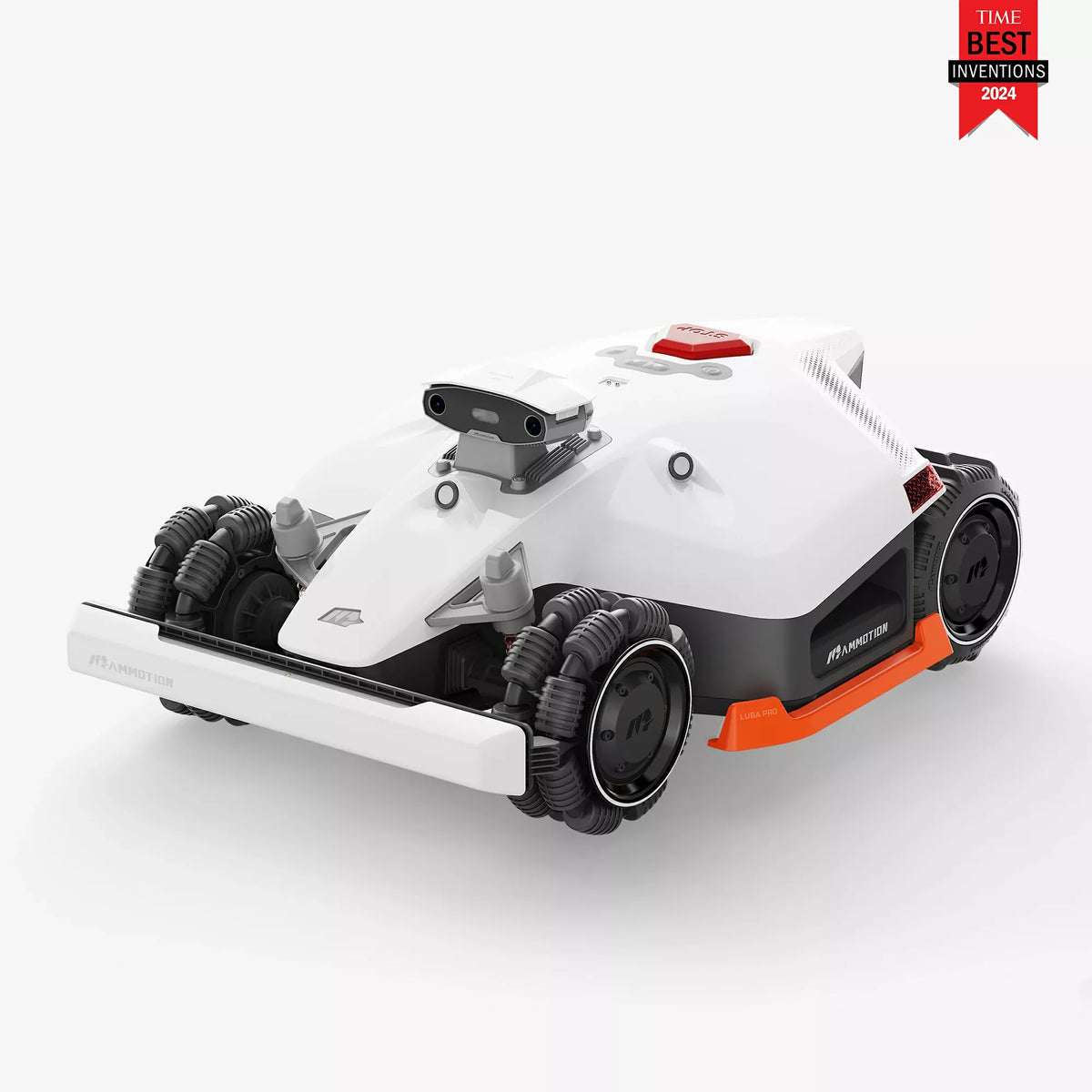
Best for slopes
Mammotion
Slopes, bumps and bigger or rougher ground.
Check price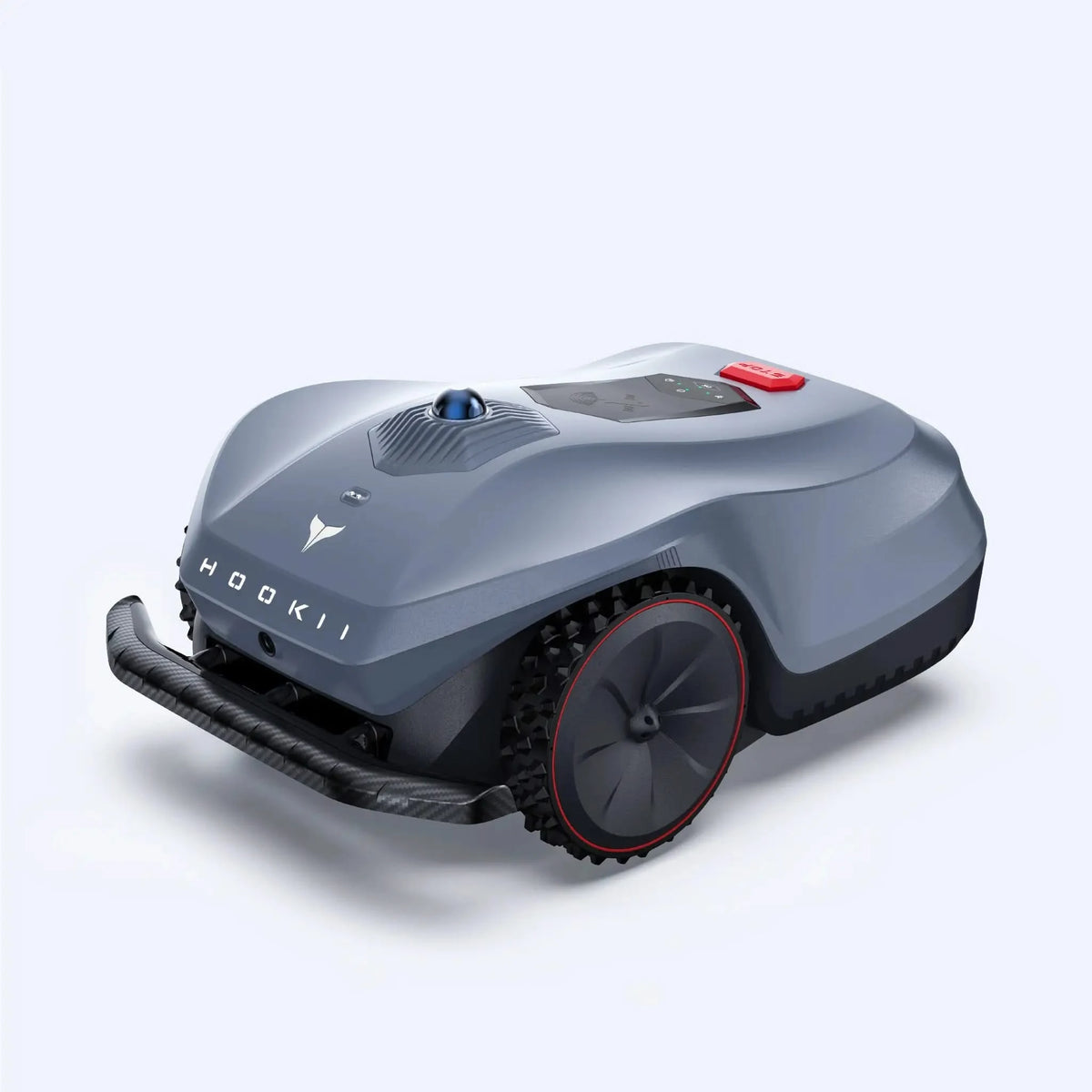
Best under trees
Hookii
Gardens where satellite signals are patchy — shade, trees, tall fences.
Check priceA small lawn is not a lesser lawn — it is simply the size most of us actually have. The trick is matching the mower to the plot: satellite models want open sky, LiDAR models shrug off shade, and camera models ask for the least installation of all. Our small-yards guide works through the sums garden by garden.
Slopes deserve respect, too. A mower rated for gentle inclines will sulk on a proper bank, and no specification yet written can repeal gravity. We flag the honest slope rating of every model we list — including the one machine here that climbs like a goat.
The US flagship guide: five wire-free mowers compared for lawns under half an acre, with a full spec table.
Read the guide →
Satellite, LiDAR or camera? The three ways of ditching the wire, explained in plain English, with picks for each.
Read the guide →
The same careful comparison for British gardens: £ prices, UK models and the realities of shade and damp.
Read the guide →